
description
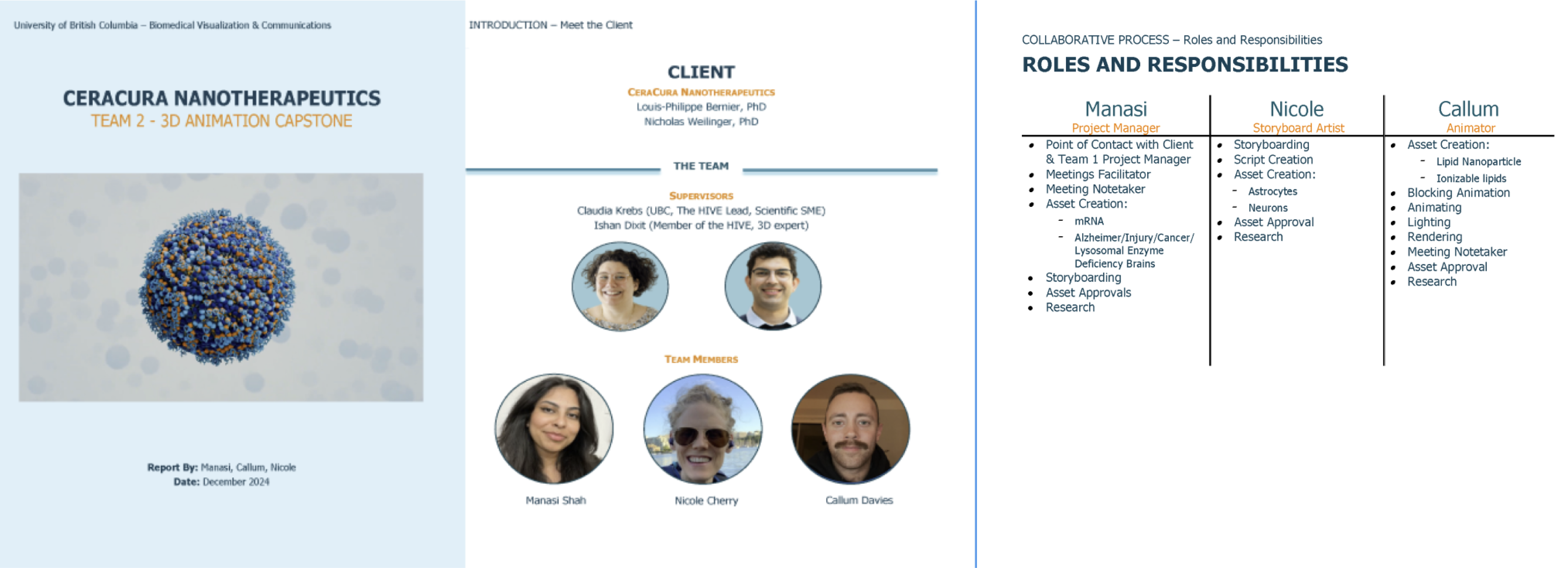
As part of the Biomedical Visualization and Communication program at UBC, the third term is dedicated to a capstone project where students collaborate in groups of three to create a project for a specific client. For my capstone project, I worked with Callum and Manasi to develop a 3D animation for CeraCura, a preclinical biotech company based in Vancouver, BC.
Preclinical biotechnology companies often license their products to large pharmaceutical companies to advance them to clinical trials. Our client tasked us with creating an animation that highlights four key selling points of their LNP–mRNA technology, aimed at attracting investors. The animation will serve as a marketing tool and will also feature snippets hosted on their website to further engage potential investors and partners.
Elevator Pitch
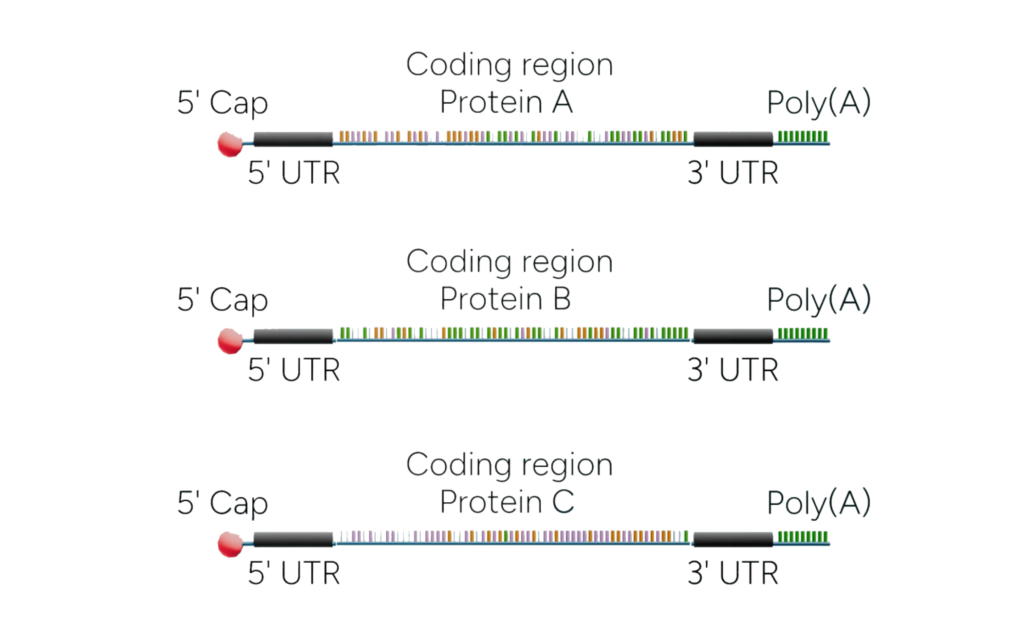
We are creating a 3D animation for CeraCura, a preclinical biotech company, to visualize the versatility and efficiency of their LNP–mRNA technology in treating central nervous system (CNS) conditions. Parts of our animation will be featured on their website, where it will help attract and inform investors from other clinical biotech companies that may partner with CeraCura.
To guide our work, we are using a previous 3D animation created for CeraCura as a reference for the overall look and feel of our animation.
Research
To conduct our research, we delved deeply into the complexities of lipid nanoparticles (LNPs) and worked to thoroughly understand our client’s needs. Our team dedicated significant time to studying the mechanisms of LNP–mRNA technology. The client provided us with valuable resources, including a PowerPoint presentation and a recently published paper. From there, I conducted additional research to explore the development and history of LNPs, tracing their evolution to their current functional capabilities in treating illnesses.
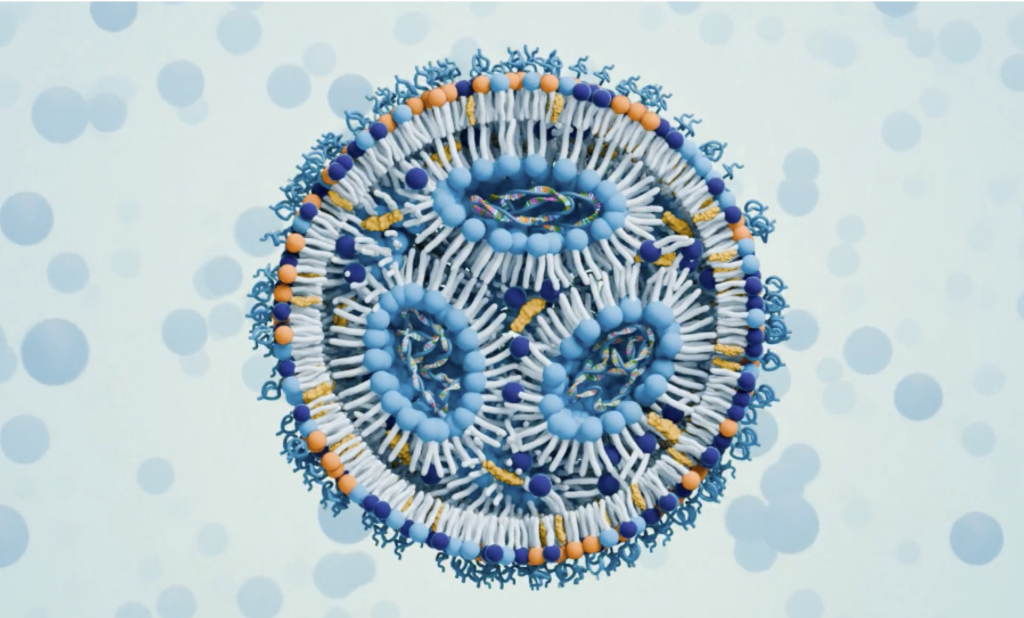
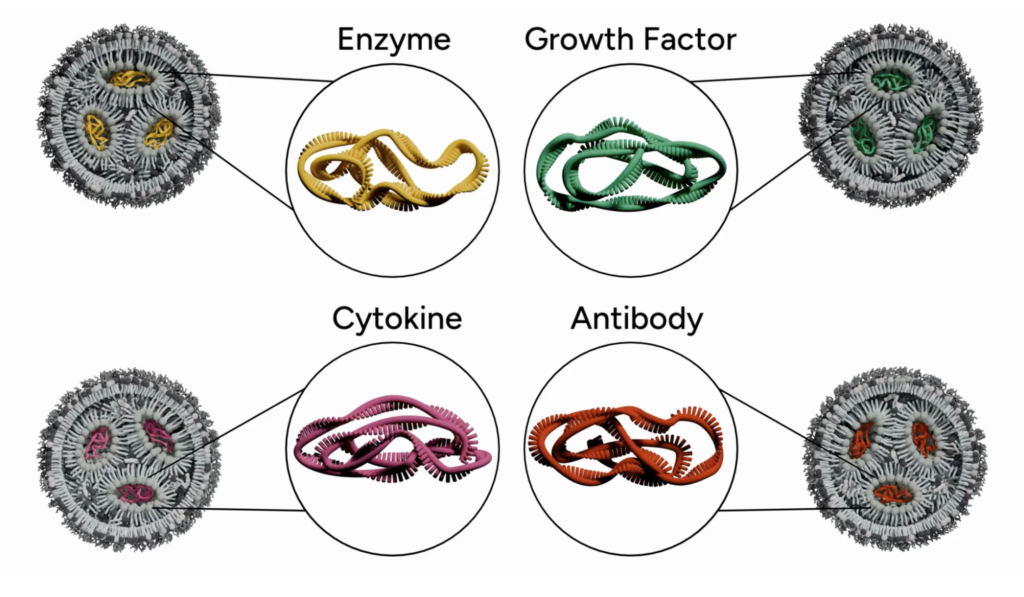
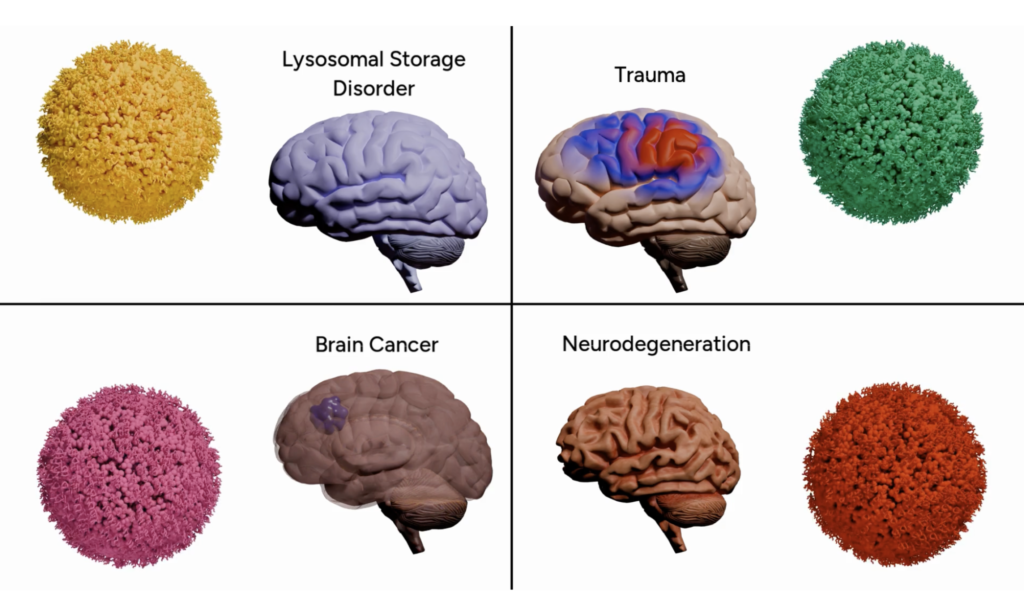
Our research focused on ensuring an accurate visual depiction of the LNP structure, the various aspects of brain cells featured in the animation, and the diseased state of the brain that would be modelled. This comprehensive approach ensured that our animation not only reflected the science but also accurately represented what our client’s LNP–mRNA technology is capable of achieving at this stage.
Planning & design
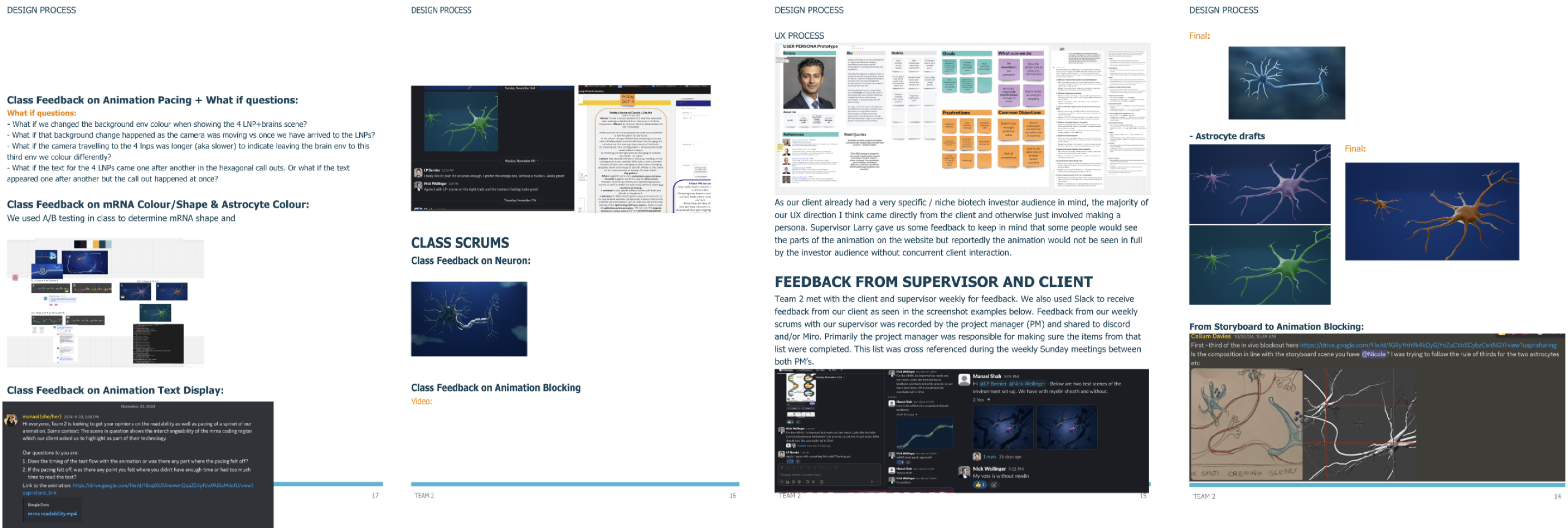
A significant amount of planning and design went into creating the initial storyboard from our revised script. Through weekly meetings with our client, we refined the storyboard from version one to version two, and ultimately to version three.
Over the 12-week period, we held weekly scrums, allowing us to gather valuable feedback from our supervisor, client, and classmates. This iterative process ensured the storyboard was continually improved and aligned with the project’s goals.

Modeling
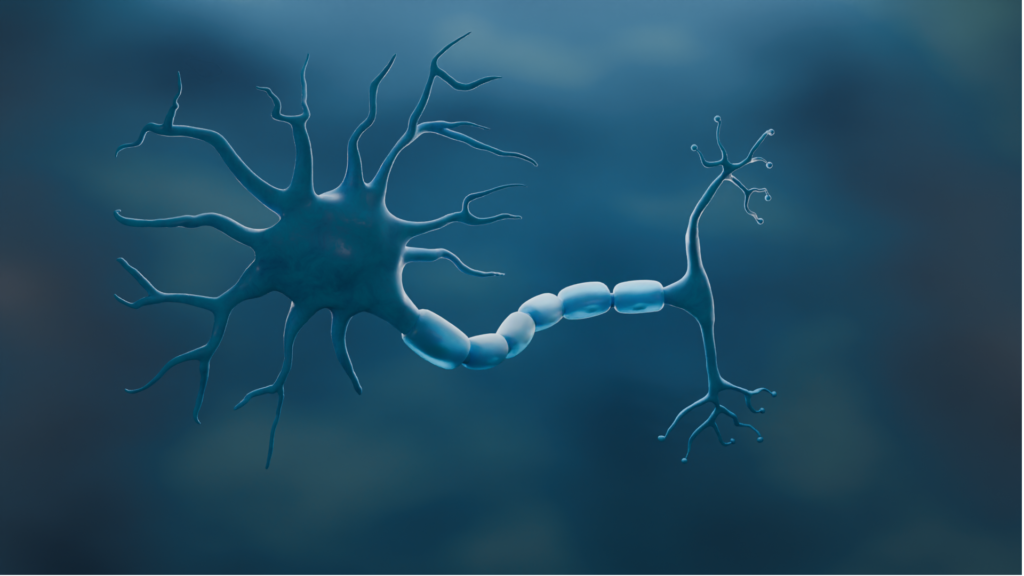
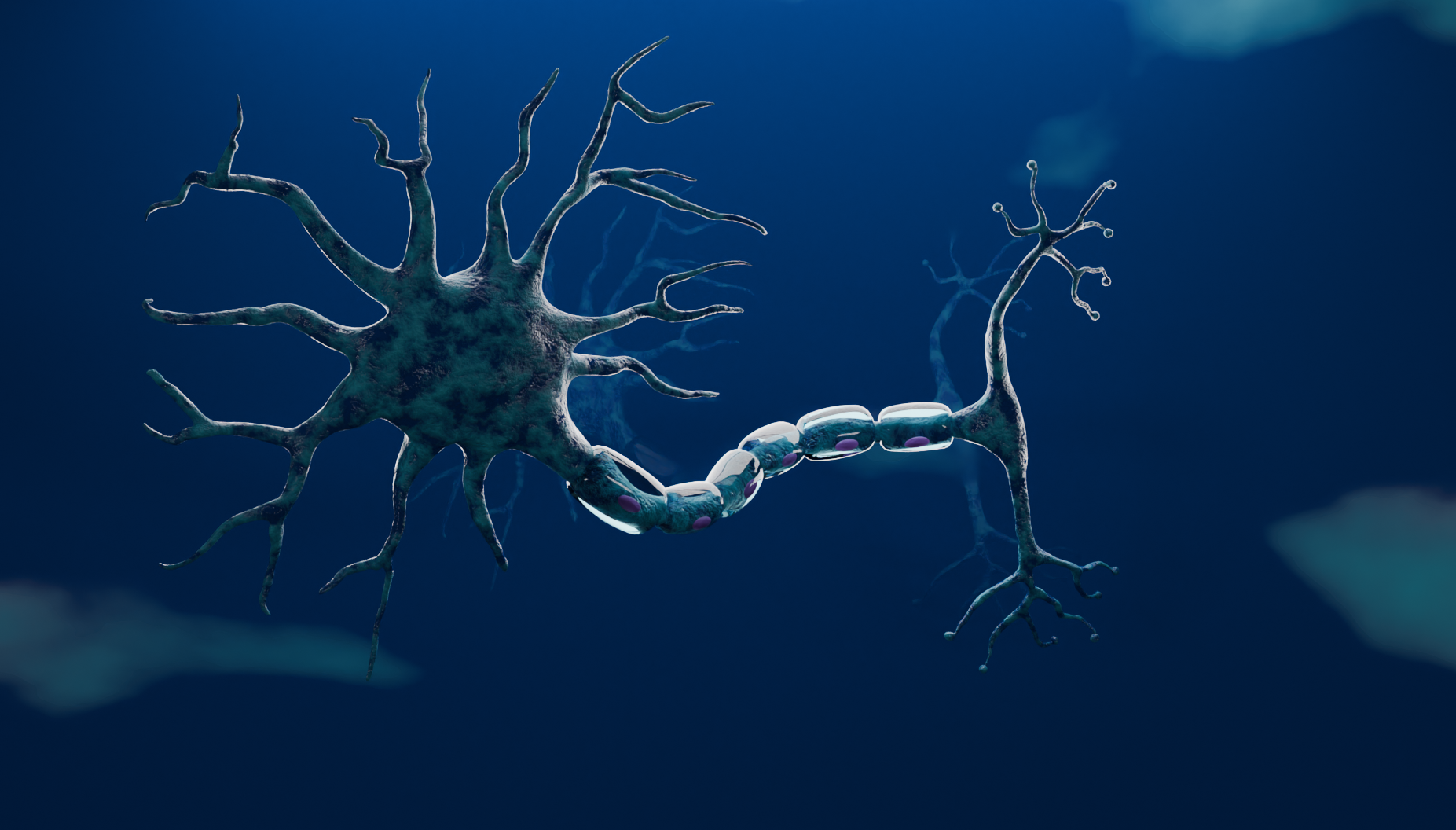
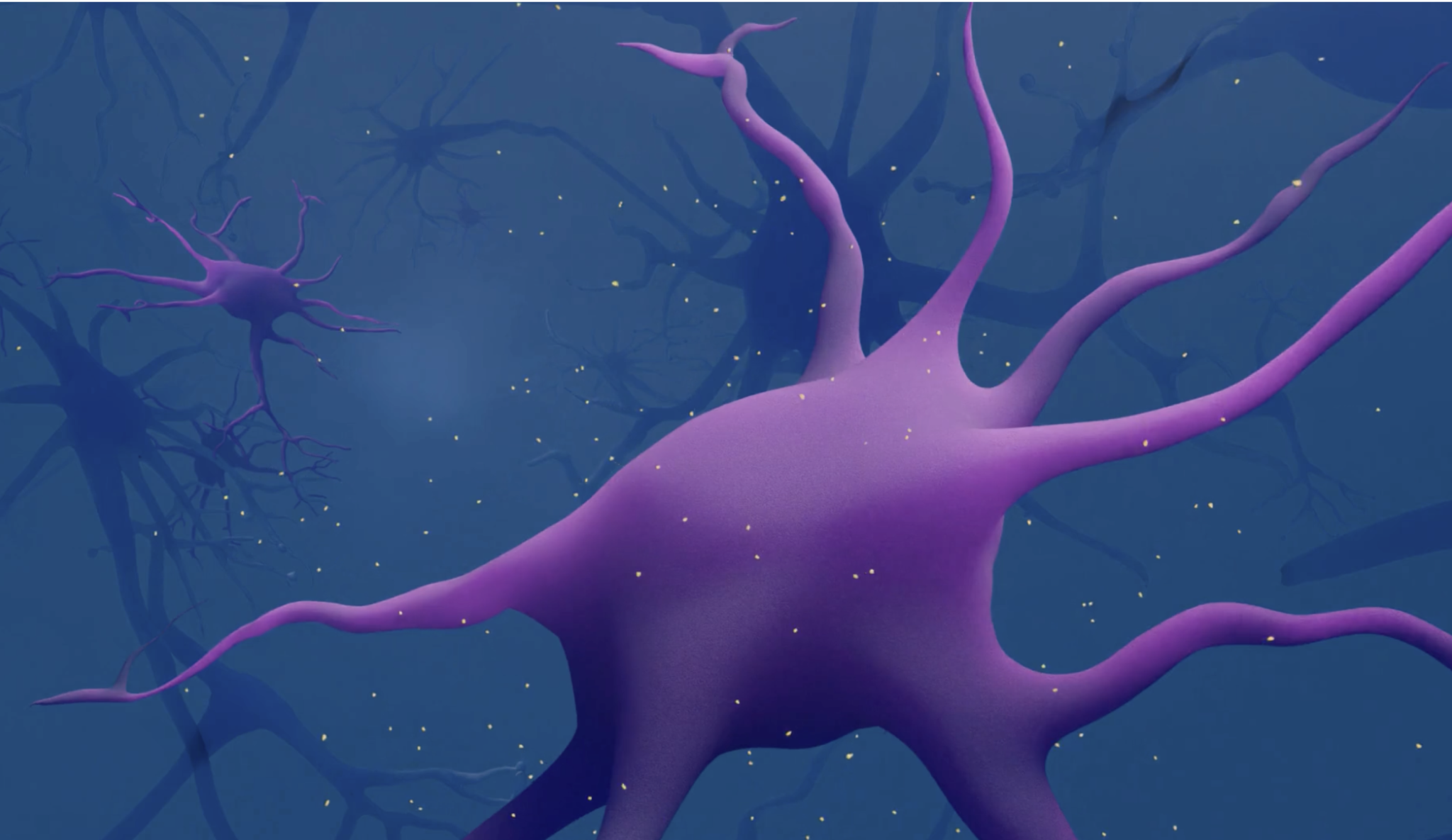
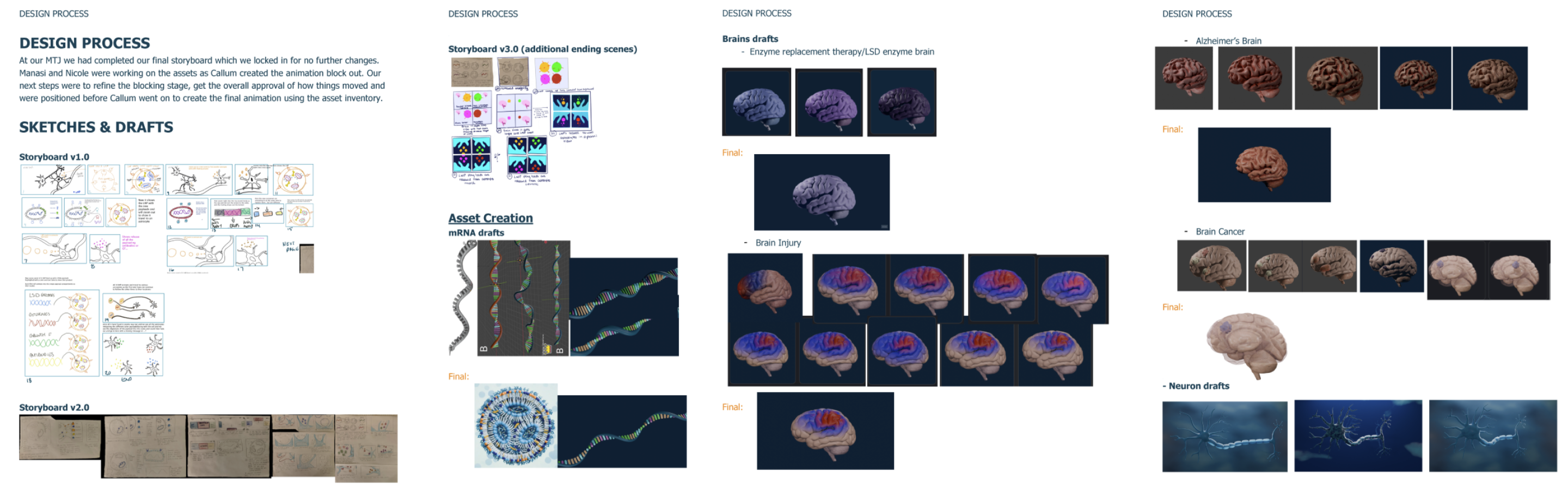
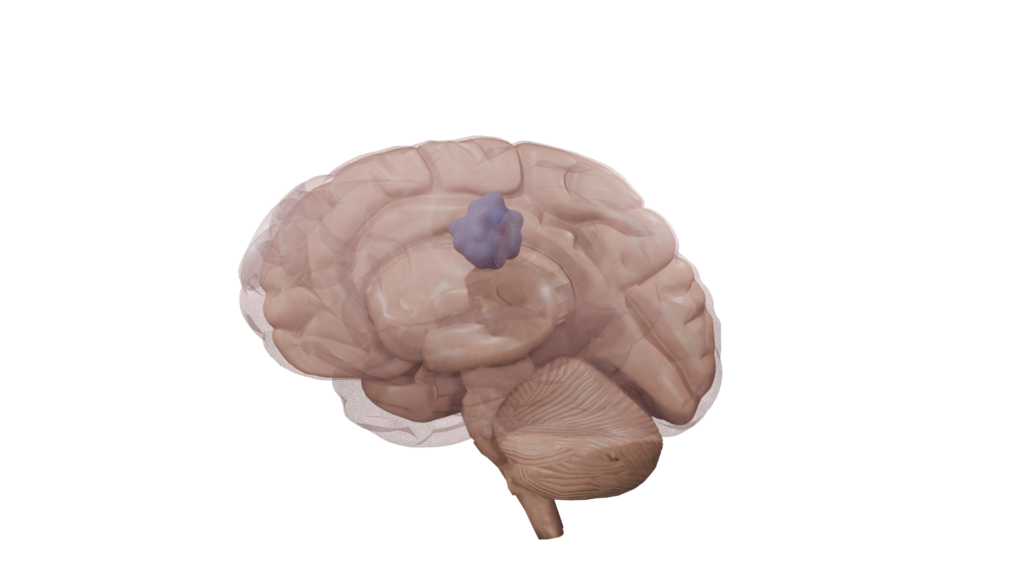
We explored several concepts for the neuron and astrocyte, experimenting with designs that included a myelinated sheath and cell bodies, as well as versions without them. Multiple drafts and techniques were also employed to develop the four different disease states of the brain. Ultimately, we collaborated closely with our client to determine the most effective overall aesthetic and scientifically accurate representation of the brain cells, the LNP, and the diseased brain states.

Rendering
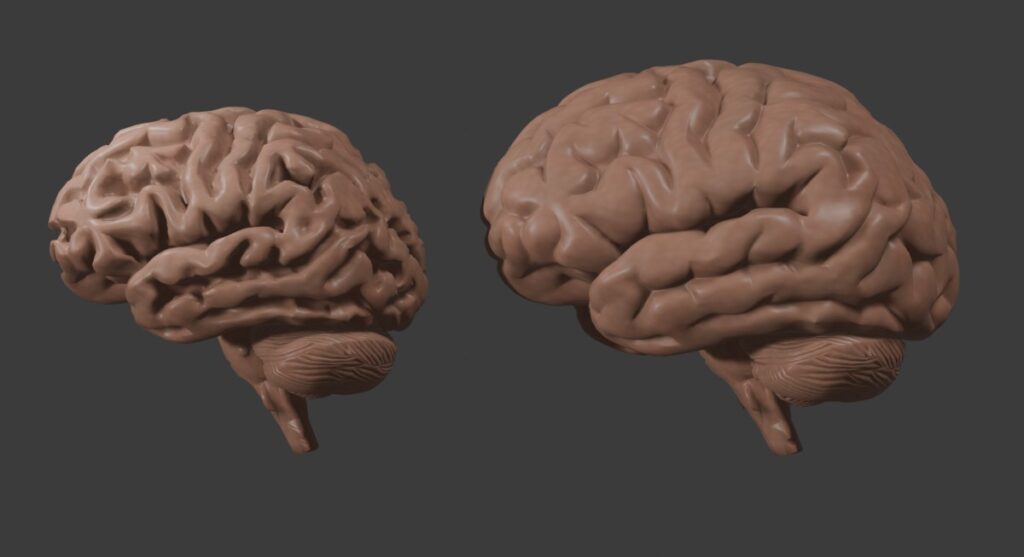
The modelling, sculpting, and animation were all completed in Blender. The neuron went through multiple iterations, during which we presented the client with various stylized options. Ultimately, we determined the need to create an elongated dendrites and axon for the neurons used in the animation to ensure scientific accuracy.
We utilized the Protein Data Bank to source accurate structures for the proteins, enzymes, cytokines, and growth factors depicted in the animation. This ensured that all molecular components were scientifically accurate and visually precise for the final production.